.svg)





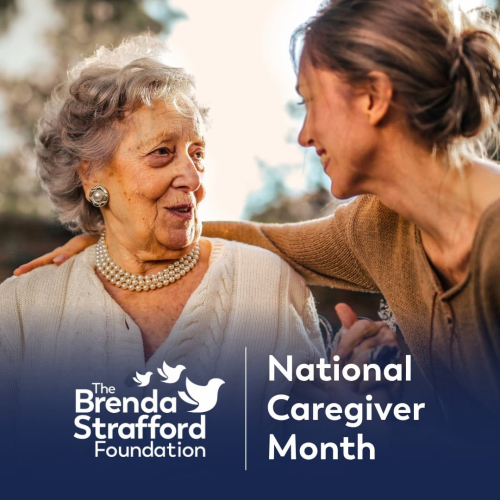
Caregiving is one of the most meaningful things a person can do.
During National Caregiver Month in May, we recognize and celebrate the family members, friends, healthcare workers, and teams who show up every day to care for others with compassion, patience, and strength.
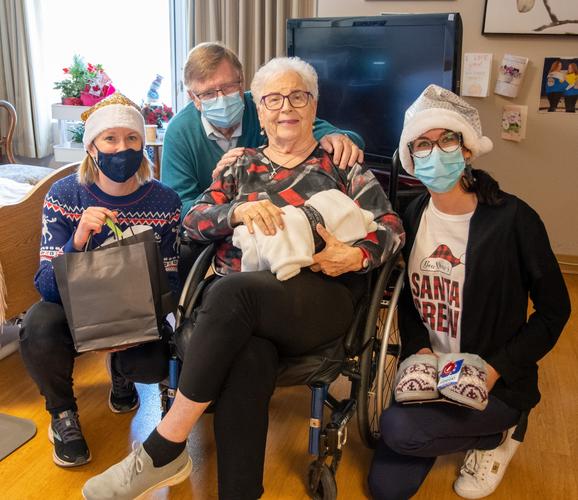
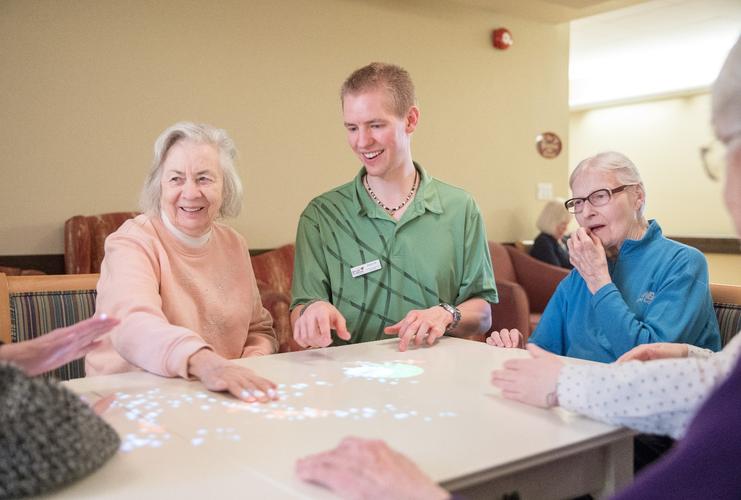
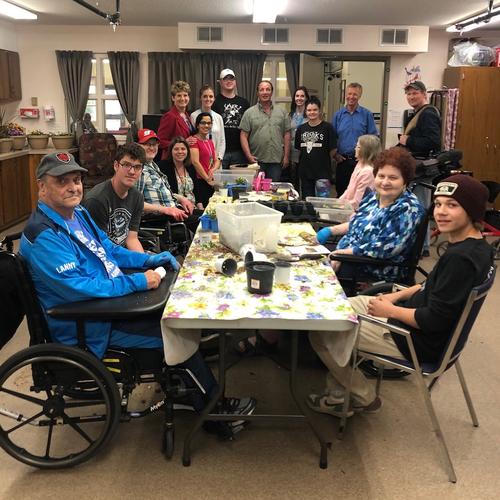
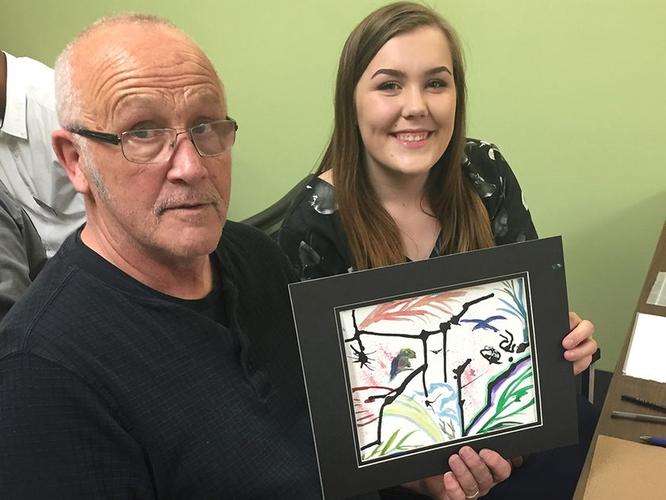
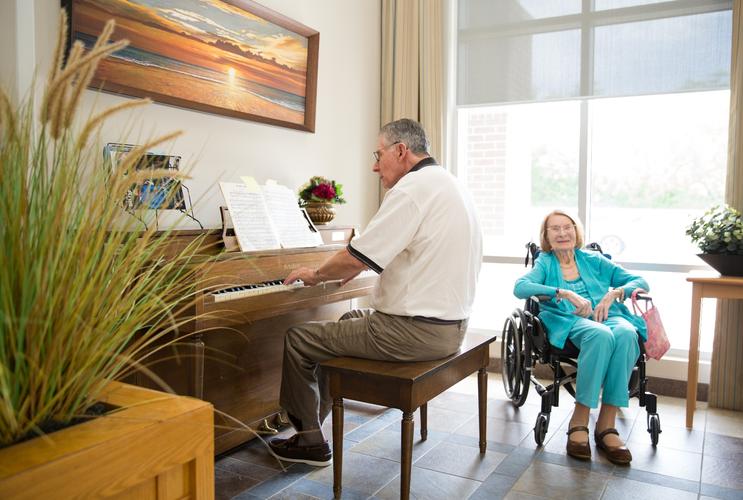
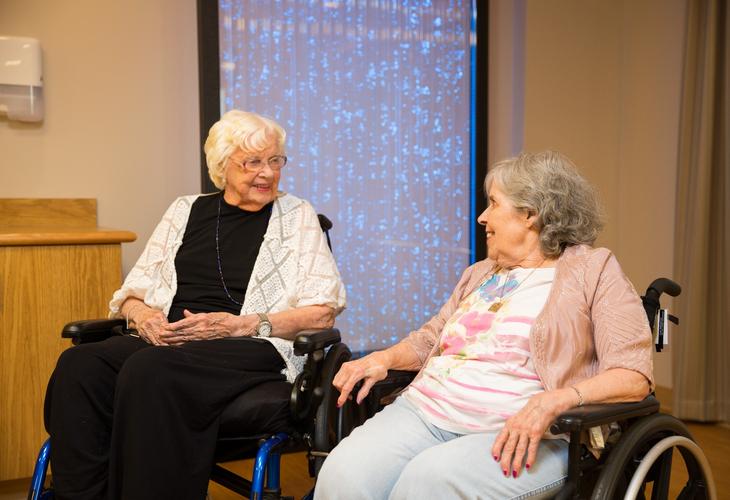
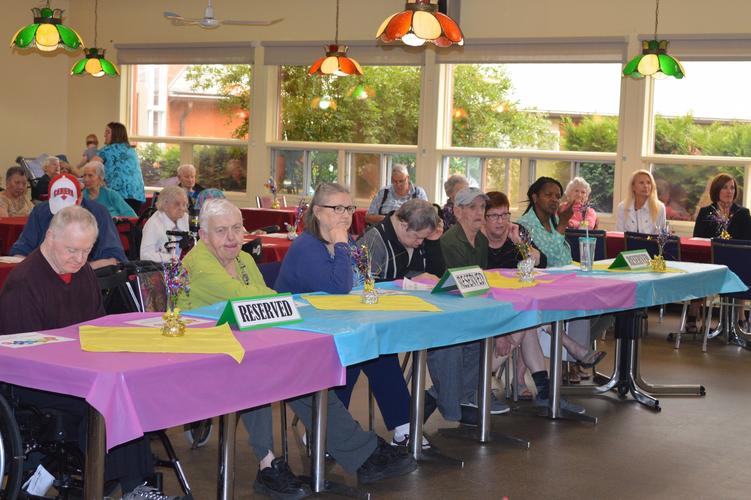
Caregiving can look like helping a parent get ready in the morning, supporting a resident with daily activities, driving a loved one to appointments, or simply sitting beside someone so they do not feel alone. Caregivers show up every day with patience, compassion, and strength, often while carrying their own stress quietly in the background.
At The Brenda Strafford Foundation, our teams see firsthand how deeply caregivers give of themselves. But we also know this: caregivers need care too.
According to the Canadian Centre for Caregiving Excellence, millions of Canadians provide care for loved ones while balancing work, family responsibilities, and their own health. Over time, that emotional and physical responsibility can become overwhelming.
Different Roles Caregivers Play
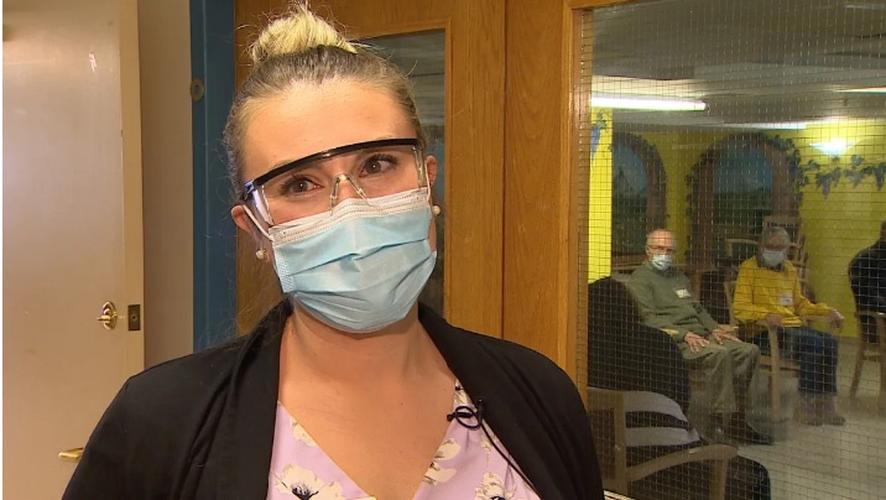
Caregiving can be deeply rewarding, but it can also be emotionally and physically demanding. Brenda, Director of Care at Clifton House, reminds caregivers that it is important to acknowledge feelings of exhaustion instead of carrying them alone.
“You cannot pour from an empty cup,” she shares. “When caregivers are exhausted, stress can unintentionally affect the people around them.”
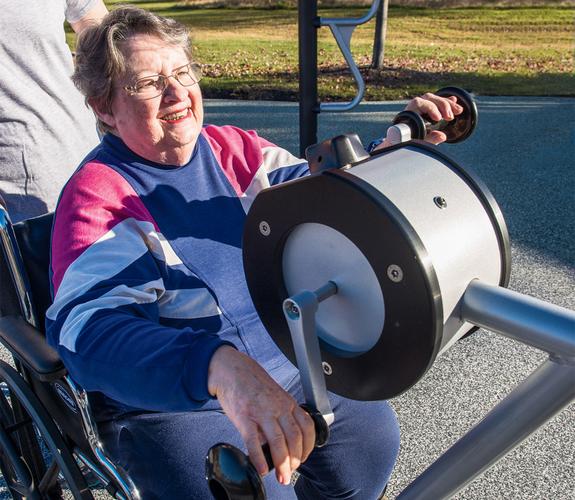
At the same time, caregivers are often supporting mobility, communication, and daily routines — responsibilities that require patience, energy, and attention. Our Restorative Care teams encourage caregivers to focus on small, meaningful ways to support safety and independence, such as:
- Encouraging gentle movement like walking or stretching
- Using proper footwear with non-slip soles
- Encouraging independence whenever possible
They also underline how communication matters just as much as physical support. Speaking clearly, maintaining eye contact, and allowing extra time for responses can help people feel respected, understood, and more confident.
"Family caregivers improve the way we provide care by sharing what matters most to their loved one. This may look like taking into consideration daily routines they are already familiar with, personal preferences, cultural traditions, or simple things that bring them joy,” said Emma, Quality Improvement Specialist with the Dr. Barrie Strafford Centre for Learning, Innovation, & Quality.
Small Ways to Care for Yourself While Caring for Others
Caring for yourself is important reminder, because often, it’s the small daily habits that make the biggest difference.
Prioritize Your Own Health
“Compassion starts with self-compassion,” said Brenda. “Treat yourself with the same kindness and understanding you give to others.”
- Get adequate rest
- Eat nourishing meals
- Stay hydrated
- Take short breaks throughout the day
Protect Your Body While Helping Others
Caregiving can be physically demanding too. During physically-demanding aspects of caregiving, such as lifting and transfers, it’s important to slow down and protect your bodies.
Before lifting:
- Test the weight first
- Plan a clear path
- Ask for help if something feels too heavy
During lifting:
- Bend through your knees and hips, not your back
- Lift with your legs
- Avoid twisting while carrying
“Many injuries happen when people try to do too much too quickly,” Colin, Manager of Workplace Health & Safety says. “Taking a moment to position yourself safely can prevent long-term strain.”
Take Small Breaks Without Guilt
Sheryl, a Licensed Practical Nurse at Cambridge Manor, encourages caregivers to find small moments throughout the day to release stress and reconnect with themselves and others.
Sometimes that looks like sharing laughs and jokes with co-workers between busy moments. Sometimes it means stepping away for a quiet coffee, taking a short walk, or listening to music on the drive home.
And sometimes, she says, it means allowing yourself to feel exactly what you need to feel. “If you need to go to the washroom and cry, cry,” Sheryl shares. “Let yourself feel what you need to feel.”
A Gentle Reminder
Caregiving is deeply human work. It asks people to give their time, energy, patience, and heart to others every single day.
But caregivers matter too. Your rest matters. Your health matters. Your emotional well-being matters.
Because behind every act of care is a person who matters too.
Additional Resources
Find more resources and supports for caregivers:
Caregivers Alberta: Caregiver Resources
Canadian Centre for Caregiving Excellence: Caregiver Resources

 Social Graphics (38).jpg)
.jpg)

.jpg)
.jpg)





.jpg)
.png)
.png)